gdgdgdgd
✍️ BLOG 1
Why Health is Not About Diets — It’s About Habits
Most of us start our health journey with one question:
“What should I eat?”
But over time, I realised something important —
health is not built by following a diet for a few weeks.
It is built by what we do every single day.

The problem with “diet thinking”
Diets often focus on:
- restriction
- rules
- short-term goals
They may give results for a while.
But once we stop, everything goes back to how it was before.
Why?
Because nothing actually changed in our daily habits.
What actually works
Real health comes from simple, consistent practices:
- Chewing food properly
- Eating at the right time
- Moving your body throughout the day
- Sleeping well
- Giving time to your digestive system to rest (fasting)
These may sound basic —
but they are powerful when done consistently.
Small changes, big impact
You don’t need to change everything overnight.
Start with:
- Chewing your food a little more
- Moving for 5–10 minutes after meals
- Sleeping slightly earlier
Over time, these small changes create a strong foundation.
A different way to think about health
Instead of asking:
“Which diet should I follow?”
Ask:
“What habits can I build or drop to sustain?”
Because on the long run,
your habits matter more than anything else for a TRANSFORMATION.
IN THE BOX
Did you know?
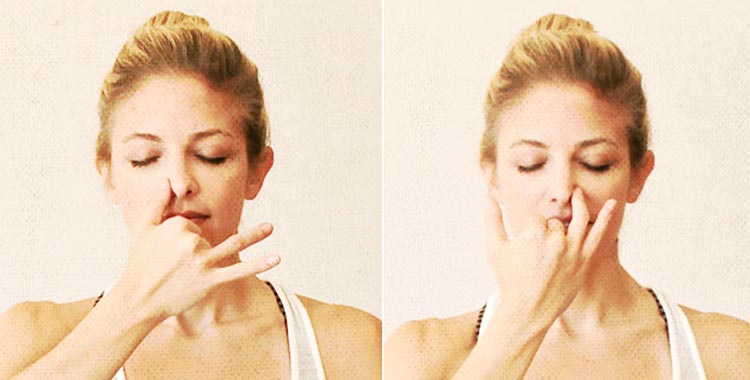
- What is that one simple breathing technique that supports overall wellbeing?
- Is moving as important as exercise?
- How much and how well do you need to sleep?
Lorem ipsum dolor sit amet, consectetur adipiscing elit. Ut elit tellus, luctus nec ullamcorper mattis, pulvinar dapibus leo.
✍️ BLOG 2
Why Gut Health Matters More Than You Think
We often think health starts with what we eat.
But it actually depends on something deeper:
How well your body absorbs and uses that food.
And that is where gut health comes in.
What is the gut microbiome?
Inside our gut, there are trillions of microorganisms.
Some are helpful.
Some can be harmful.
When the good ones are strong and balanced,
your body functions better.
What your gut actually does
A healthy gut:
- Helps absorb nutrients
- Supports immunity
- Regulates blood sugar
- Influences mood and mental health
In fact, a large percentage of serotonin (the “feel good” hormone)
is produced in the gut.
What damages gut health
Over time, certain habits can disturb this balance:
- Processed and refined foods
- Excess sugar
- Antibiotics
- Poor sleep
- High stress
Even something as simple as not chewing food properly
can affect digestion.
How to support your gut
The good news is — simple changes help such as including fibre-rich and fermented food, regular exercise and fasting.
Why this matters
When your gut is healthy:
- Your energy improves
- Your digestion becomes smoother
- Your mood stabilises
Your body starts functioning the way it is meant to.
IN THE BOX
Did you know?
- What to eat and when to eat to have a good gut?
- How to convert simple foods to super foods that enhance the gut microbiome?
✍️ BLOG 3
Fasting: A Simple Practice with Powerful Benefits
Fasting is often misunderstood.
Some think it is extreme.
Some think it is unnecessary.
But when done correctly, fasting is one of the simplest ways
to optimise health.
What happens during fasting?
When you eat regularly throughout the day,
your body keeps using incoming food for energy.
But when you stop eating for a period of time:
- Your body starts using stored energy
- Blood sugar stabilises
- Insulin sensitivity improves
Over time, this helps your system function better.
Why fasting helps
Fasting can:
- Improve digestion
- Support weight management
- Reduce inflammation
- Give your digestive system rest
A guided periodic longer fasting leads to optimum health.
Important to remember
Fasting is not about starving.
It is about:
- Giving few internal system to rest
- Allowing natural processes to happen
Start slow, stay consistent, and listen to your body.
IN THE BOX
Did you know…..
- When to fast?
- How long to fast?
- What foods/fluids do not break the fast?
- Who can/should do prolonged fasting?
✍️ BLOG 4
Why Sleep is More Important Than You Realise
We often focus on food and exercise.
But there is something more important;
Sleep.
What sleep does for your body
Good sleep
- Improves immunity
- Regulates hormones
- Supports memory
- Helps recovery
Without proper sleep, even the best diet and exercise may not give results.
It’s not just about hours
Sleep has three important aspects:
- Quality
- Quantity
- Consistency
Even if you sleep for 8 hours, irregular timing or poor quality can affect your health.
The role of timing
Our body follows a natural rhythm.
Sleeping early supports hormone balance and recovery.
Late nights, screen exposure, and artificial light can disturb this cycle.
Simple ways to improve sleep
- Reduce screen time before bed
- Avoid caffeine late in the day
- Keep lights dim in the evening
- Maintain a consistent sleep schedule
Why it matters
Poor sleep is linked to:
- Weight gain
- Hormonal imbalance
- Low energy
- Increased stress
Improving sleep can often improve multiple areas of health And at the same time increase productivity of the brain
IN THE BOX
Did you know?
- How to regulate sleep?
- How long do you sleep for good health?
- Can you compensate for the missed weekday sleep during weekends?
✍️ BLOG 5
Traditional Foods: Why They Still Matter Today
In today’s world, we are surrounded by modern diets and packaged foods.
But many traditional foods hold deep nutritional value.
What makes traditional foods special?
Traditional foods are:
- Less processed
- Rich in nutrients
- Aligned with local climate and lifestyle
Examples include:
- Traditional rice varieties
- Fermented foods
- Natural fats
Benefits of traditional rice
Traditional rice varieties:
- Are rich in fibre
- Have lower glycaemic impact
- Support gut health
- Contain important vitamins and minerals
They are very different from highly polished white rice
Going back to basics
Sometimes, moving forward in health means going back to simple, traditional practices.
IN THE BOX
Did you know?
- Which rice can be had daily to improve strength?
- What are the ways to use less rice but reap more benefits out of it?
- In which form can rice help improve gut health?
- Is there good fat in rice?
- How to cook rice the right way?
✍️ BLOG 6
Understanding Hormonal Imbalance in Women: It’s Not Just About Hormones
When we hear the term “hormonal imbalance”,
we often think something is wrong inside the body.
But hormones don’t function in isolation.
They are deeply influenced by:
- What we eat
- How we sleep
- How we manage stress
- How active we are
Hormones are messengers
Hormones are chemical messengers that regulate:
- Menstrual cycles
- Metabolism
- Mood
- Energy levels
When they go out of balance, it’s usually a signal, not the root problem.
What really affects hormones
In many cases, hormonal imbalance is linked to:
- Poor gut health
- Irregular eating habits
- Lack of sleep
- High stress levels
- Nutrient deficiencies
For example:
- Vitamin D, magnesium, and healthy fats play a role in hormone function
- Gut health affects how hormones are processed and regulated
Why quick fixes don’t work
Treating symptoms alone may give temporary relief.
But unless the lifestyle factors are addressed, the imbalance tends to return.
A better approach
Instead of asking:
“How do I fix my hormones?”
Ask:
“How can I support my body better?”
Focus on:
- Nourishing food
- Regular movement
- Good sleep
- Consistent routines
Over time, the body finds its balance.
Hi! I’m Devi
My journey into wellness did not begin in a classroom-It began through my own life.
✍️ BLOG 7
PCOS: Looking Beyond the Symptoms
PCOS (Polycystic Ovarian Syndrome) is one of the most common conditions affecting women today.
But it is often misunderstood.
More than a reproductive issue
PCOS is not just about ovaries or periods.
It is closely linked to:
- Insulin resistance
- Metabolic health
- Lifestyle patterns
Common symptoms
Women with PCOS may experience:
- Irregular periods
- Weight gain
- Acne
- Hair fall
- Low energy
But each person’s experience can be different.
What’s happening inside
In many cases, the body struggles to:
- Use insulin efficiently
- Regulate blood sugar
This affects hormone levels, which then impacts menstrual cycles and other symptoms.
The role of lifestyle
Simple lifestyle changes can make a significant difference:
- Eating balanced, whole foods
- Avoiding excessive processed and sugary foods
- Including good fats and fibre
- Regular moderate exercise
- restful sleep
Fasting, when done correctly, can also help improve insulin sensitivity.
A long-term view
PCOS is not something that changes overnight.
But with consistent lifestyle changes, specific exercise & food
many women experience:
- More regular cycles
- Better energy
- Improved overall health
✍️ BLOG 8
Perimenopause: The Phase Most Women Are Not Prepared For
Many women are aware of menopause.
But few understand perimenopause —
the phase leading up to it.
What is perimenopause?
Perimenopause is the transition period before menopause.
It can begin as early as the mid-30s for some women.
Why it feels confusing
During this phase, hormone ie.,estrogen levels fluctuate.
This can lead to a wide range of symptoms:
- Irregular periods
- Mood swings
- Sleep disturbances due to Hot flash
- Weight gain
- Fatigue
- Brain fog
Many women don’t immediately connect these to hormonal changes.
What your body needs now
This phase is a signal —
your body needs more support.
Key areas to focus on:
- Nutrition (especially protein, iron, healthy fats)
- Gut health
- Functional exercises
- Stress management through breathing technique
- Good Sleep
Strength matters
Building muscle strength becomes very important during this stage.
Strength training, along with moderate activity,
can help maintain:
- Muscles
- Bone health
- Hormonal balance
A shift in approach
What worked in your 20s may not work now.
Perimenopause is not a problem —
It is a transition.
With the right support, it can be navigated smoothly.
IN THE BOX
Did you know?
- Why is it that for a lot of women in perimenopause Haemoglobin, calcium etc go low and suddenly few health markers like BP or diabetes or cholesterol increases? And how to manage them through food?
- Can women get emotional disturbances during peri menopause?
- In spite of exercises will there be weight gain during peri menopause?
✍️ BLOG 9
Menopause: A New Phase, Not an End
Menopause is often spoken about with fear or discomfort.
But it is simply a natural phase of life.
What happens during menopause
Menopause is defined as:
- No menstrual cycle for 12 consecutive months
During this time:
- Estrogen levels decline
- The body undergoes several changes
Common changes
Women may notice:
- Weight gain (especially around the abdomen)
- Reduced energy
- Changes in sleep
- Joint or muscle discomfort
These are not sudden problems —
they develop gradually over time.
Why lifestyle matters more now
After menopause, the body depends even more on:
- Nutrition
- Activity
- Daily habits
Because the ovaries no more produce enough estrogen.
A different perspective
Menopause is not something to “fight”.
It is a phase to:
- Understand your body better What helps
- Balanced nutrition with enough protein and minerals
- Healthy fats (especially omega 3)
- Regular moderate physical activity
- Good sleep
- Consistent routines
- Emotional wellbeing
Fasting, when practiced appropriately,
can also support metabolic health.
- Adjust your lifestyle
- Focus on long-term health
IN THE BOX:
Did you know?
Does the preceding hairline and new wrinkles in your face bother you?
Why do many post-menopausal women notice a decline in bone health?
While you are able to reduce weight you are not able to reduce belly fat. Why?
Are there remedies for the above issues?
✍️ BLOG 10
Why Women’s Health Needs a Different Approach
Women’s bodies go through multiple phases:
- Puberty
- Reproductive years
- Perimenopause
- Menopause
Each phase brings hormonal changes.
One approach does not fit all
The same diet or routine
may not work across all stages of life.
For example:
- Nutrient needs change
- Activity levels need adjustment
- Recovery becomes more important
The role of awareness
Understanding your body’s phase helps you:
- Make better food choices
- Adjust your routine
- Avoid unnecessary stress
Supporting your body through change
Key elements remain constant:
- Good nutrition
- Movement
- Sleep
- Stress management
But how you apply them may evolve.
A more compassionate approach
Instead of pushing your body,
work with it.
Listen to:
- Energy levels
- Hunger cues
- Recovery needs
The goal
Women’s health is not about control.
It is about:
- awareness
- balance
- consistency
IN THE BOX:
Did you know?
Can your diet nourish you without supplements?
Is it now possible to shed those few kilos you gained in peri-menopause and menopause?
How do you maintain bone health or overall health post-menopause?